
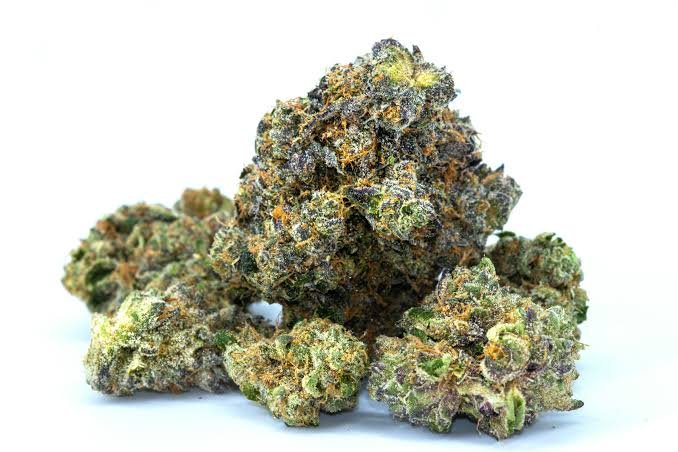
Discover the Light Switch strain, a cannabis-related search term attracting attention from people interested in exploring unique strain profiles, aromatic characteristics, and cannabis culture. Whether you are researching strain information, comparing different cannabis varieties, or looking for details about the Light Switch strain, understanding its potential characteristics can help you make more informed decisions.
What Is the Light Switch Strain?
The Light Switch strain is a keyword of interest among cannabis enthusiasts searching for information about distinctive cannabis varieties. When exploring a strain, several factors are worth considering, including its genetic background, cannabinoid content, terpene profile, cultivation methods, and product quality. These details help create a clearer picture of what distinguishes one cannabis strain from another.
Because verified information about Light Switch strain genetics and laboratory-tested composition may vary by source or product, buyers should consult reliable dispensary listings and third-party laboratory reports before drawing conclusions about its specific properties.
Aroma, Flavor, and Terpene Profile
Aroma and flavor are important considerations when comparing cannabis strains. Depending on the verified product profile, shoppers may want to investigate whether Light Switch features earthy, citrusy, fruity, herbal, or pungent aromatic notes. However, these characteristics should not be assumed without reliable product-specific information.
Terpenes are naturally occurring aromatic compounds found in many plants, including cannabis. Compounds such as myrcene, limonene, and pinene contribute to the distinctive aromas associated with different cannabis varieties. Reviewing a product’s published terpene analysis can help shoppers better understand its scent profile and distinguish it from other available strains.
Potency and Product Quality
For consumers researching Light Switch strain THC levels, cannabinoid content is an important factor to verify. THC and CBD concentrations can differ between products, batches, and cultivation conditions. Always review current packaging, certificates of analysis, and laboratory testing results rather than relying on generalized strain descriptions.
Responsible purchasing also means considering product freshness, proper storage, transparent labeling, and compliance with local cannabis regulations. Reputable sellers should provide clear product information and answer questions about testing, ingredients, and traceability.
How to Research the Light Switch Strain
Finding accurate information about a cannabis strain starts with comparing trustworthy sources. Look for detailed product descriptions, verified genetic information, terpene breakdowns, and independent laboratory results. Customer reviews can offer additional perspectives, but individual experiences are subjective and should not replace scientific evidence or professional advice.
If you are comparing Light Switch with other cannabis strains, use consistent criteria such as cannabinoid percentages, terpene composition, cultivation practices, and available quality documentation. This approach makes comparisons more meaningful and helps you avoid misleading promotional claims.
Final Thoughts on Light Switch Strain
The Light Switch strain is a useful search term for anyone exploring cannabis strain information and product comparisons. By focusing on verified characteristics, transparent testing, and responsible consumer practices, you can better understand what a particular product offers without relying on unsupported claims.
Explore the Light Switch strain with confidence: research its documented profile, compare reliable sources, and prioritize product transparency and legal compliance. Accurate information is the foundation of a better-informed cannabis purchasing decision.
Important note: Cannabis laws vary by location. Cannabis products may carry health risks, can impair driving and judgment, and are not appropriate for everyone. Follow applicable laws and consult a qualified healthcare professional if you have questions about potential health effects.