Weed in San Sebastian: A 2026 Guide to Laws, Social Clubs, and Safety
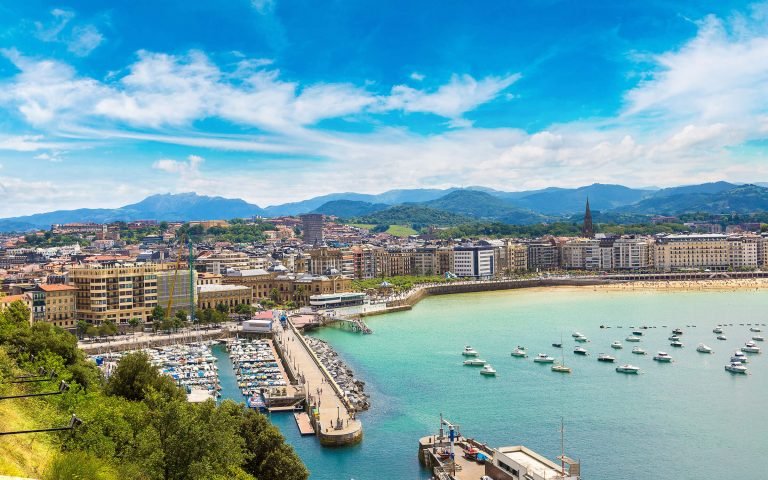
San Sebastian (Donostia) is the crown jewel of the Basque Country, famous for its Michelin-starred cuisine, world-class surfing at Zurriola, and the iconic crescent of La Concha Beach. For many travelers, understanding the local culture includes learning about the legalities of Weed in San Sebastian.
While Spain has a unique approach to decriminalization, navigating the scene requires a clear understanding of the Spain cannabis laws and the specific Basque Cannabis Social Clubs that define the region’s private consumption model. Consequently, this 2026 guide provides essential information on San Sebastian cannabis regulations, membership requirements for private associations, and safety tips to ensure your visit remains within legal boundaries.
Disclaimer: This guide uses publicly available legal information for informational purposes. Furthermore, laws and enforcement practices in Spain and the Basque Country change frequently. Therefore, travelers should verify current local regulations and club policies before visiting.
The Legal Landscape: Is Weed Legal in San Sebastian?
In general, Spain’s cannabis laws operate under a complex legal framework. For instance, authorities generally tolerate private consumption under certain circumstances, while public possession and consumption can result in administrative penalties. In addition, Cannabis Social Clubs in Spain operate within a legal landscape that varies depending on court decisions and regional practices.
- Private Consumption: Authorities generally tolerate use in private residences or registered private clubs; however, legal nuances exist regarding the right to privacy protected by the Spanish Constitution.
- Public Spaces: Consuming or possessing cannabis in public (beaches, parks, streets) constitutes an administrative offense under the Ley Orgánica 4/2015 (Citizen Security Law). As a result, police issue heavy fines and confiscate the product.
- Trafficking: Selling or distributing cannabis remains a serious criminal offense under Article 368 of the Spanish Penal Code.
How Cannabis Social Clubs Work in San Sebastian
Currently, San Sebastian hosts several Cannabis Social Clubs (CSCs). These non-profit associations allow members to “share” cultivation costs. Similarly to the scene when looking for weed in Barcelona or weed in Madrid, these clubs provide a private environment for consumption.
Operational Framework:
1. Private Membership: These private associations do not open their doors to the general public. Specifically, membership typically targets residents, and policies regarding new members vary significantly between clubs. For official guidelines, consult the Basque Government Association Registry.
2. Verification: Moreover, travelers interested in the local cannabis culture should verify eligibility directly with a club before visiting. For this reason, many associations require a prior appointment or a formal application process.
3. Age Requirement: Additionally, clubs enforce strict age limits, usually requiring members to be 18 or 21+ with a valid government ID (Passport).
Cannabis Social Clubs in San Sebastian
The Basque Country has a long history of social activism, and its CSCs reflect this. Unlike commercial outlets, these spaces prioritize communal benefit. However, it is important to note that these clubs do not advertise and often use discreet entrances to maintain their private status.
Traveler Logistics: Transporting Cannabis in Spain
Can you take cannabis on trains or between cities?
Although Spanish cities like San Sebastian and Bilbao lack internal border controls, carrying cannabis in public remains an administrative offense. If you travel by train (RENFE or Euskotren) or bus, expect potential security screenings and occasional police presence with K9 units. Consequently, transporting any amount of cannabis in public risks confiscation and heavy fines.
Airport Rules and Air Travel
Furthermore, we highly discourage traveling with cannabis through San Sebastian Airport (EAS) or Bilbao Airport (BIO). The Guardia Civil controls airports as federal jurisdictions. Even a membership card for a local club does not grant you the right to carry substances through security checkpoints. In fact, possession at an airport can lead to legal complications far beyond a simple fine.
Basque Country vs. Catalonia: Key Differences
While both regions utilize the Social Club model, the “feel” of the clubs differs. For example, Catalonia offers a much higher density of clubs—you can see this when exploring the options for weed in Barcelona. On the other hand, Basque clubs tend to be smaller, focus more on the community, and strictly adhere to the “private association” ethos. Because Basque authorities strictly enforce public consumption laws, you should use even more discretion here than when looking for weed in Madrid.
Common Mistakes Tourists Make
- Assuming “Legal” means “Public”: For instance, tourists often make the mistake of smoking on La Concha beach. Unfortunately, this error leads to a fine. For local beach rules, see the San Sebastian Tourism official site.
- Walking into clubs without an appointment: Likewise, most reputable San Sebastian clubs turn away anyone who hasn’t contacted them in advance.
- Treating clubs like shops: Finally, many associations consider asking for a “menu” or “price list” over the phone or email a red flag.
What happens if the police stop you?
If the Ertzaintza (Basque police) or Local Police stop you with cannabis in public, remain calm and respectful. In most cases, the officers will confiscate the substance and issue a “denuncia” (an administrative fine). Fines typically start at €601 under the “Ley Mordaza” (Gag Law). Therefore, do not argue that it is “legal,” as the law clearly defines possession in public as an infraction.
Frequently Asked Questions (FAQ)
Is weed legal in San Sebastian?
Technically, no. Spain decriminalizes cannabis for private use and cultivation; however, it is not “legal” in the commercial sense. Thus, consumption and possession in public remain administrative offenses that trigger fines.
Can tourists join cannabis clubs in San Sebastian?
Yes, in many cases, although it depends on the individual club’s statutes. Most clubs require a valid government ID (like a Passport) and a Spanish address. Consequently, you must contact a club in advance to verify their specific guest or membership policies.
Can you smoke on La Concha Beach?
Absolutely not. Smoking cannabis on any public beach in San Sebastian is illegal and draws the attention of local authorities. Therefore, doing so will almost certainly result in a fine and confiscation.
What happens if police find cannabis on me?
If police find it in a public place, they will confiscate the cannabis and issue an administrative fine (denuncia). Specifically, under the Citizen Security Law, these fines start at €601. Furthermore, if authorities suspect you of selling or distributing, you could face criminal charges for drug trafficking.
Can you take cannabis through San Sebastian Airport?
No. The Guardia Civil strictly monitors airports under federal jurisdiction. For this reason, attempting to take cannabis through security, even for personal use, creates a serious risk of criminal proceedings.
Is CBD legal in San Sebastian?
Shops in Spain sell CBD products; however, their legality depends on product type, intended use, and compliance with Spanish and EU regulations. While specialized CBD shops operate throughout the city center, travelers should note that complex regulations govern ingestible vs. topical products.
Safety Tips for Travelers
- Don’t Smoke in Public: Authorities strictly prohibit public consumption. Even if you observe local activity, tourists face significant administrative fines and confiscation.
- Transport with Care: Because possession in public can lead to administrative penalties, travelers should avoid carrying cannabis in public. Instead, you should understand the local laws before making any decisions.
- Respect the Clubs: If you gain membership, treat the space with respect as a private association. After all, these are not commercial “coffee shops” and operate under strict local regulations.
Sources and Authoritative References
- Ley Orgánica 4/2015 de Protección de la Seguridad Ciudadana (Official State Gazette).
- Código Penal Español – Article 368 (Spanish Penal Code).
- Registro de Asociaciones del Gobierno Vasco (Basque Government Association Registry).
- Ministerio de Sanidad, Consumo y Bienestar Social (Spanish Ministry of Health).
Last Updated: July 27, 2026 | Author: admin | Editor: Help Me High Editorial Team