
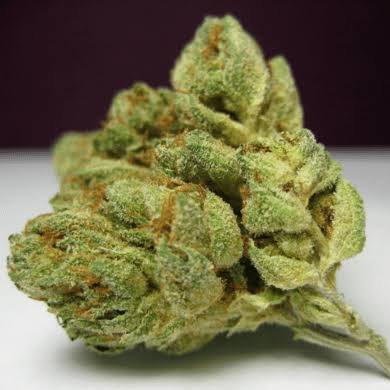
When cannabis enthusiasts talk about OG in California, they are often referring to one of the most recognizable naming traditions in West Coast cannabis culture. The term “OG” has become closely associated with California cannabis, particularly strains described as having distinctive earthy, piney, citrus, fuel-like, or pungent aromas.
For people searching for OG California strains, OG Kush, California cannabis strains, OG genetics, or the history of OG cannabis, understanding what “OG” actually means can be surprisingly complicated. The name is used across many different cultivars, and not every product labeled “OG” necessarily shares identical genetics.
What Does OG Mean in California Cannabis?
“OG” is commonly associated with OG Kush, a famous cannabis cultivar that became particularly influential in California’s cannabis scene. Over time, “OG” became part of the names of numerous related or similarly marketed cultivars.
There are competing stories about where the abbreviation originated and what it originally stood for. Some accounts connect OG with “Ocean Grown,” while other cannabis-history accounts have proposed different explanations. Because the history has been passed through growers, breeders, and cannabis communities for decades, the precise origin remains debated.
That uncertainty is part of what makes OG California cannabis culture so interesting.
OG Kush and California Cannabis Culture
OG Kush became particularly influential in California during the development of the state’s modern cannabis market. Its recognizable aroma and strong reputation helped inspire numerous cultivars carrying the OG name.
Today, shoppers and cannabis enthusiasts may encounter names such as OG Kush, Tahoe OG, SFV OG, Fire OG, and other OG-related cultivars. Although these names share a recognizable naming tradition, their genetics, cannabinoid concentrations, terpene profiles, and reported effects can differ.
For this reason, “OG” should not automatically be interpreted as a single standardized strain.
The OG Flavor and Aroma Profile
One of the defining characteristics associated with OG-style cannabis is its complex aroma.
Depending on the cultivar and phenotype, OG varieties may feature combinations of:
- Earthy aromas
- Pine-like notes
- Citrus
- Herbal character
- Peppery or spicy undertones
- Fuel or skunky notes
Terpenes play a major role in creating these characteristics. Limonene, myrcene, caryophyllene, and pinene, among other compounds, may contribute to the overall sensory profile, although the exact terpene composition varies between cultivars and batches.
Popular California OG Strains
The OG family includes numerous names that have become recognizable within California cannabis culture.
OG Kush is perhaps the best-known example, while Tahoe OG is associated with Northern California cannabis history. SFV OG, named after the San Fernando Valley, is another well-known OG cultivar. Fire OG is also commonly discussed among OG varieties.
Despite their shared naming convention, these cultivars shouldn’t be assumed to have identical effects or chemical profiles.
Why Lab Testing Matters
A strain name provides useful cultural and historical context, but it doesn’t tell the whole story about a modern cannabis product.
For a specific California cannabis product, consumers should check batch-specific laboratory testing for THC, CBD, other cannabinoids, terpene concentrations, and applicable contaminant testing.
Potency and chemical composition can vary substantially between growers and harvests. Looking at current testing information therefore provides a more meaningful picture than relying on the OG name alone.
California OG: More Than a Strain Name
The phrase “OG in California” represents more than a simple cannabis label. It connects to California’s influential role in modern cannabis breeding, cultivation, terminology, and culture.
From OG Kush to numerous modern OG hybrids, the name continues to appear across cannabis menus and strain catalogs. Yet the term encompasses a broad family of cultivars rather than one uniform genetic or chemical profile.
If you’re researching California OG strains, OG Kush genetics, OG strain history, cannabis terpenes, or West Coast cannabis culture, start with the specific cultivar and its laboratory results. That approach gives you a clearer understanding of what you’re actually looking at while separating established information from marketing and cannabis folklore.